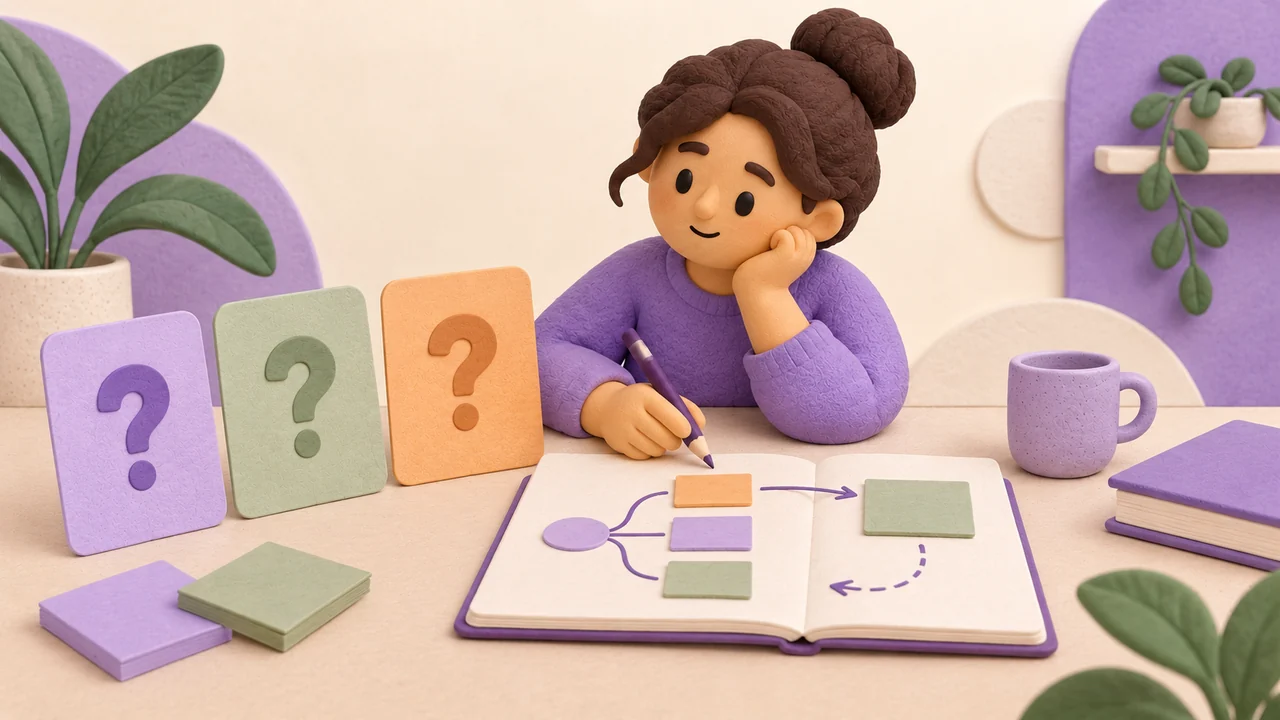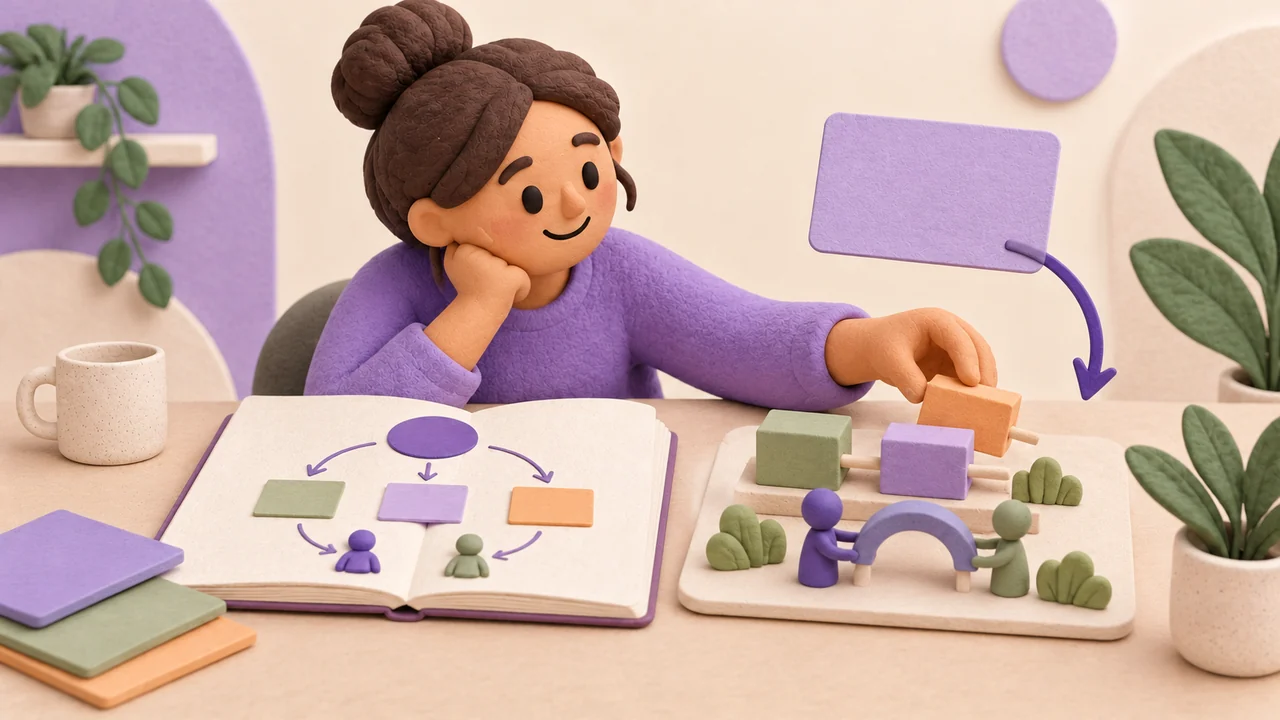

In this guide
The short answer
Build your PMP study plan around time you can reliably protect. Use short sessions for one decision at a time, reserve a longer block for mixed practice, and adjust the plan each week from what your answers show.
Plan the week you actually have
Start with your calendar, not someone else’s study timetable. Mark work commitments, travel, family time, and the evenings when you’re usually worn out. Then choose a few study windows you could keep during an ordinary week. A plan that depends on every day going perfectly will be difficult to maintain.
For example, you might protect 20 minutes on Monday, Wednesday, and Friday, with an hour on Saturday. Those times are an example, not a required workload. Your starting knowledge and target date may call for more time. First, check the current PMI Exam Content Outline so your small sessions still connect to the topics you need to cover.
Give each session a clear job
Opening five tabs can use most of a short study window. Decide the job before you start. One session can introduce a concept, the next can test it in a project situation, and another can revisit a previous mistake. Save mixed questions and a careful review for your longer block.
Keep the finish line small enough to see. Instead of studying risk management, decide to explain the difference between a future risk and an issue that has already happened. You’ll know whether you finished, and you’ll have a useful question to test next time.
- Learn: explain one idea in your own words.
- Apply: answer a few unfamiliar questions about it.
- Review: name what changed your decision.
- Return: try another situation before calling the topic settled.
Try a 20-minute session
Suppose you keep confusing stakeholder engagement with sending a status report. Use your next short session to examine that distinction. This structure keeps the explanation connected to a decision rather than turning the session into a reading race.
The exact split can change. If one question exposes an important gap, spend the session understanding it. Finishing fewer questions with a clearer explanation can be a useful result.
- Spend three minutes recalling what you already know without opening your notes.
- Spend seven minutes answering two or three original practice questions. Explain your choice before you reveal the answer.
- Spend seven minutes reviewing the choices, including anything you got right by guessing.
- Use the last three minutes to write one reminder and select the next practice topic.
Keep a review log you’ll use
You don’t need a transcript of every explanation. Record the topic, the clue you missed, and the next thing to practice. For example: stakeholder engagement; I treated silence as agreement; practice a situation where a stakeholder’s needs are unclear. That note gives tomorrow’s session a purpose.
Review correct guesses too. A correct answer can hide shaky reasoning, while a wrong answer can reveal a small reading mistake. Tirtle’s short practice sessions and explanations can support this routine. Use any practice tool alongside the current PMI outline and your wider preparation so your plan isn’t limited to one question collection.
Adjust without starting over
At the end of the week, compare the sessions you planned with the ones you completed. Then ask which decisions still feel unclear. If your Saturday practice showed repeated change-control mistakes, give that topic a place in next week’s schedule. Don’t add another resource just because the calendar slipped.
When a week becomes crowded, keep a smaller session and move the deeper work to a real opening. Avoid doubling every missed task into the next evening. If several weeks no longer fit, revisit the overall timeline. The plan should make the next action easier to choose, not make you feel permanently behind.
Your next step
Choose dependable study windows, give each one a specific job, and use your review log to plan the next week. A sustainable routine needs both practice and time to understand it.
Sources and further reading
Use these sources for the full context and current guidance.
- Project Management InstitutePMP certification and current exam information
- Project Management InstituteThe PMP exam introduced in July 2026